Flooring guidance
Engineered timber flooring vs hybrid: pick the right board for your home
A clear, homeowner-friendly rundown of how engineered timber and hybrid floors differ in feel, durability, water performance, cost, and long-term maintenance—so you can choose confidently.
Feels like real timber
Engineered is warm underfoot.
Water worry-free
Hybrid shrugs off kitchen spills.
Fast installs
Click systems speed up move-in.
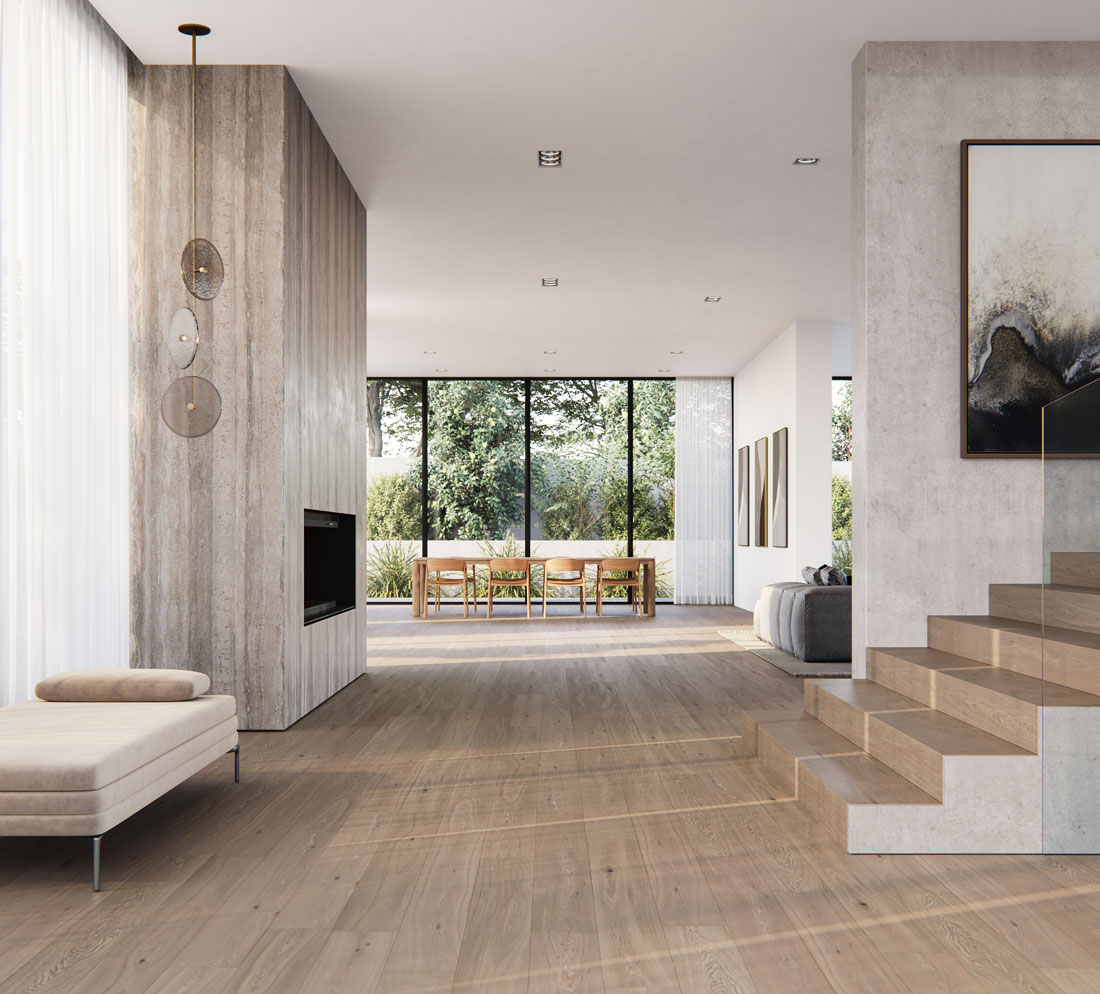
Engineered timber
Natural grain, refinishable surface, cosy feel.
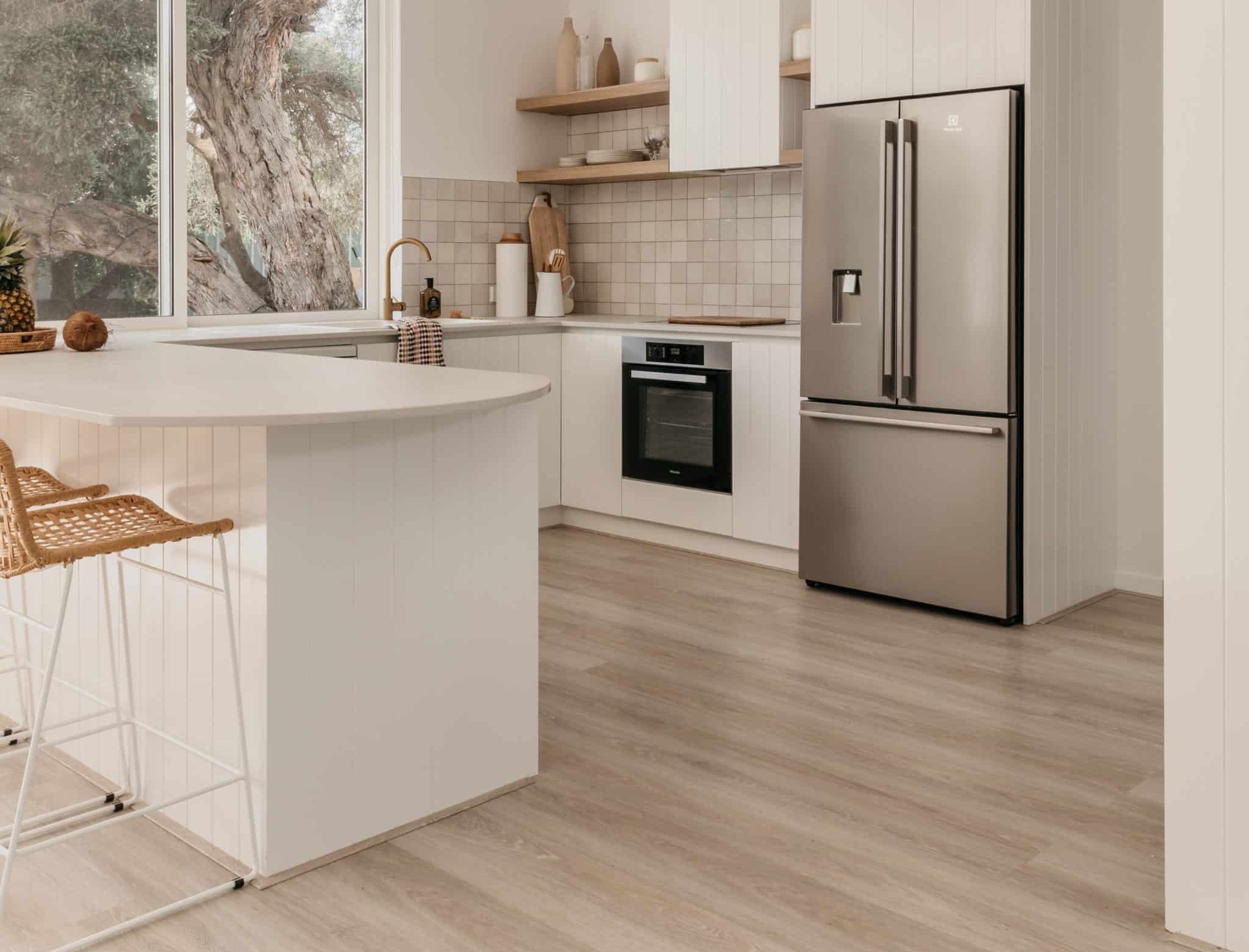
Hybrid (rigid core)
High water resistance and quick click installs.
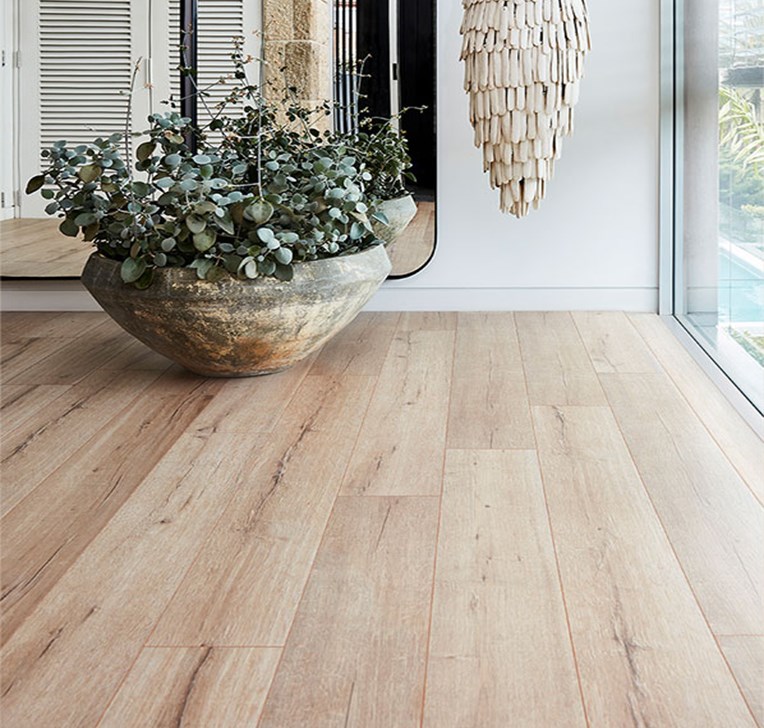
Organic, refinishable, premium resale story
Veneer wear layers (2–6 mm) let you sand back scratches and refresh the finish. Ideal when you want the look and feel of real timber that can age gracefully.
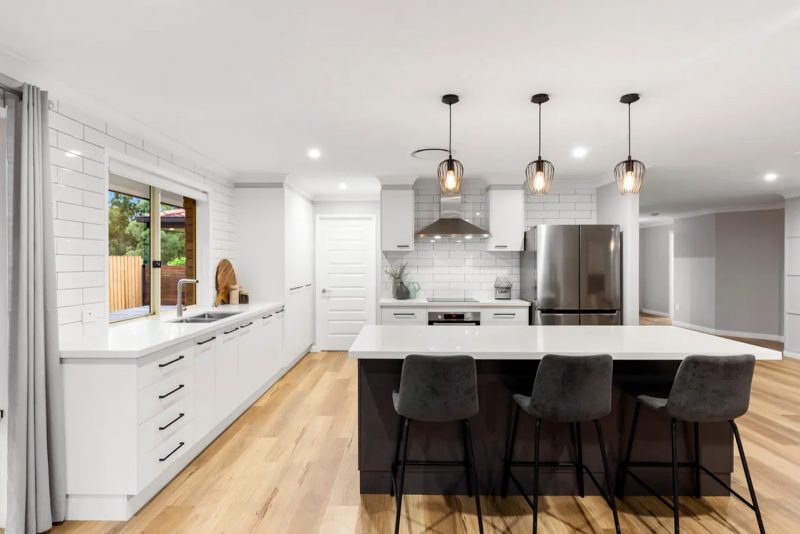
Waterproof surface, rental-friendly durability
Rigid cores stay stable across big spans and temperature swings. Perfect for kitchens, entries, and busy family zones that see mopping and spills.
Choose by lifestyle
Which floor matches the way you live?
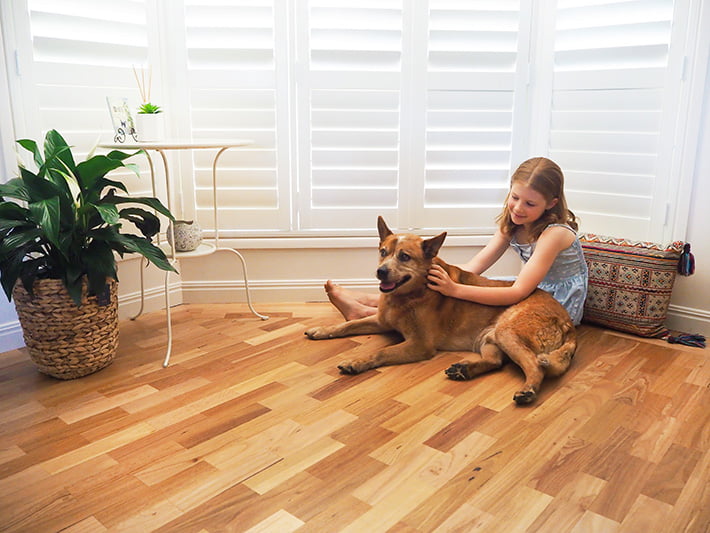 Hybrid pick
Family & pets
Hybrid resists muddy paws, mop cycles, and scooter traffic. Acoustic underlay keeps it quiet.
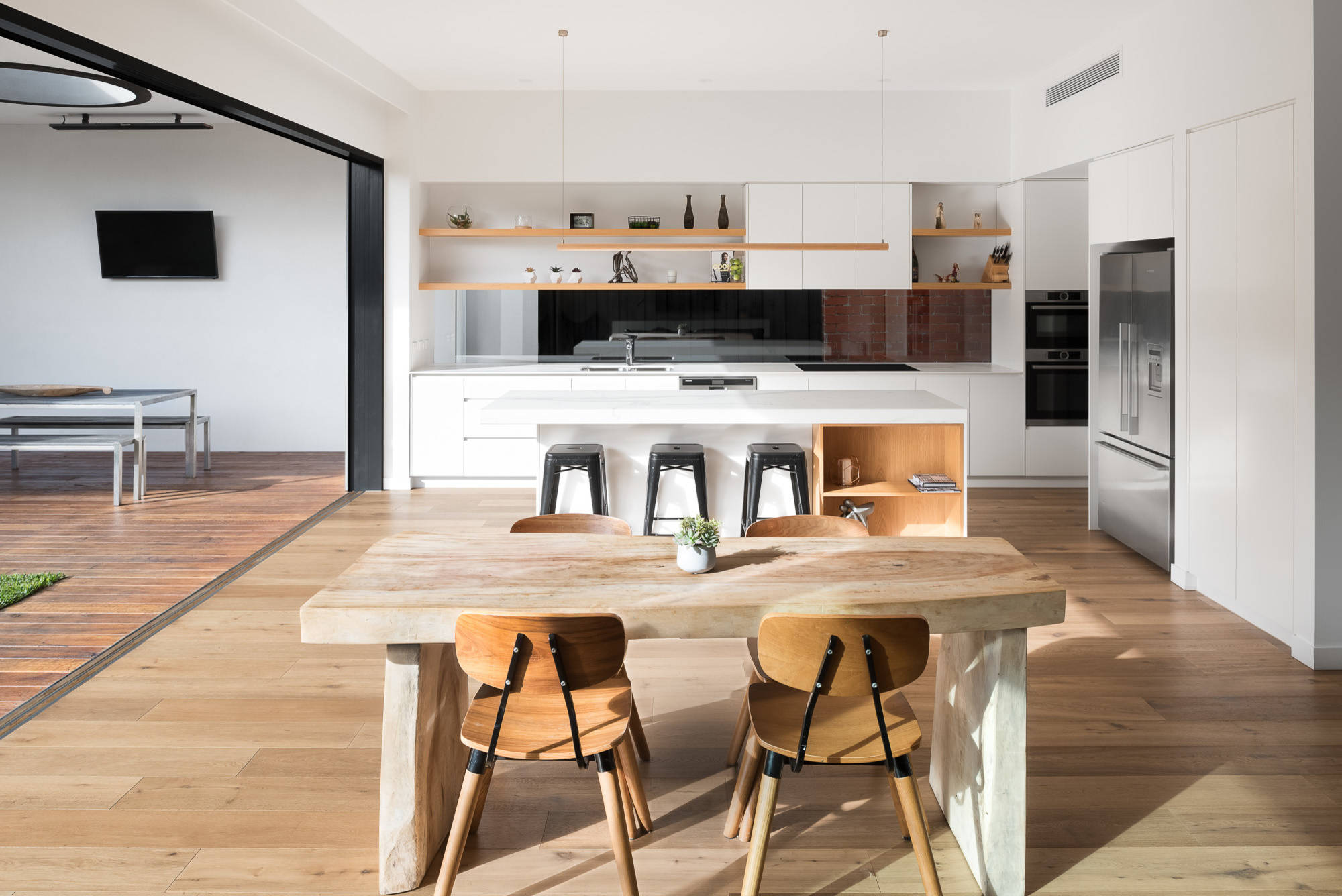 Engineered pick
Entertaining
Engineered timber brings warmth to open-plan living and can be refinished after years of dinners.
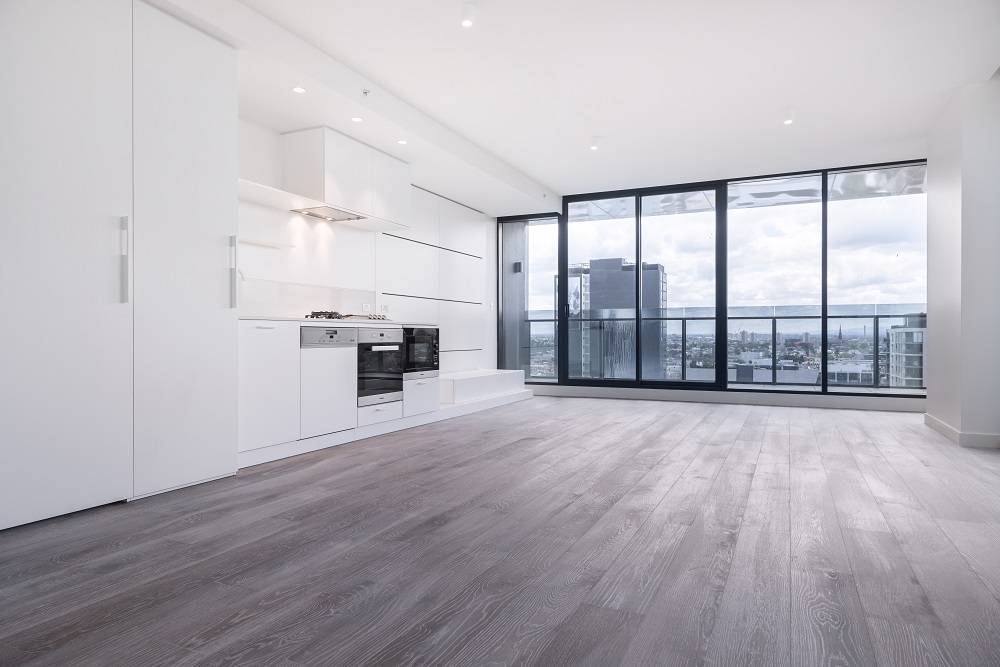 Hybrid pick
Apartments & rentals
Hybrid’s click system is fast, tidy, and forgiving over existing subfloors when prepped correctly.
Engineered timber flooring
Real timber veneer (oak, eucalyptus, spotted gum, etc.) bonded to a stable plywood or HDF core. Feels and sounds like wood, with the ability to sand and refinish depending on veneer thickness.
- • Best tactile warmth and natural grain variation.
- • Can be refinished 1–3 times on thicker wear layers.
- • Needs moisture-aware installation and humidity control.
- • Great for living rooms, bedrooms, and feature spaces.
Hybrid (rigid core) flooring
A stone-plastic (SPC) or limestone-polymer (WPC) core with a printed timber look and a durable wear layer. Highly resistant to surface water and temperature changes.
- • Top choice for kitchens, laundries, and rentals.
- • Click-lock system makes installs quick and tidy.
- • No refinishing; replace boards if heavily damaged.
- • Excellent dimensional stability over large areas.
Engineered timber flooring vs hybrid — key differences
A side-by-side view of performance, maintenance, and cost factors.
Water exposure
Moisture-resistant, not waterproof. Avoid pooling water; use mats near sinks.
Highly water resistant on the surface. Great for wet-adjacent zones.
Feel underfoot
Warm, authentic timber tone and texture; slightly softer with quality underlay.
Slightly firmer feel; quiet with good acoustic underlay.
Refinishing
Yes, 1–3 times depending on wear layer thickness (2–6 mm).
No refinishing; swap boards if damaged.
Scratch resistance
Tough UV-cured lacquer but can show dents; rugs and felt pads recommended.
Very good due to hard wear layer; still use pads to avoid gouges.
Installation speed
Floating or glued; acclimation and subfloor prep matter. 1–3 days typical.
Floating click system; often fastest option, especially over sound subfloors.
Cost range (supply & install)
$130–$180 per m² depending on species and thickness.
$90–$140 per m² depending on brand and wear layer.
Room size limits
Expansion gaps needed; glue-down reduces movement in large spans.
Rigid cores handle big spans well; follow manufacturer expansion rules.
Underfloor heating
Compatible with low-temp hydronic systems; check spec sheet.
Many are rated for UFH; verify heat limits per brand.
Sustainability
Real timber surface; FSC/PEFC options available.
Lower timber content; look for low-VOC certifications.
When engineered wins
- • You want a true timber story for resale and feel.
- • You like the option to sand out future wear and refresh the finish.
- • You can control indoor humidity and wipe up spills promptly.
- • Feature areas: lounges, bedrooms, hallways, stairs (with matching nosings).
When hybrid wins
- • Busy households with kids, pets, and regular mopping.
- • Kitchens, entries, apartments, and rental properties.
- • Need quick installs over existing tiles or vinyl (with prep where needed).
- • You prefer a consistent, low-maintenance surface without refinishing.
Practical tips
- • Use HEPA dust control when removing old floors to keep the home livable.
- • Acoustic underlay matters more than board type for upstairs noise.
- • Plan trims and transitions early—especially at bathrooms and sliding doors.
- • Order 8–10% extra boards for patterns and future repairs.
Local advice
Not sure how “engineered timber flooring vs hybrid” applies to your rooms?
Share a few photos or book a visit and we’ll guide you through engineered vs hybrid pros and cons for your space. Expect a clear quote with a couple of price points and estimated install timing.
FAQ on engineered vs hybrid
- Can I mix both in one home?
- Yes. Many clients run hybrid in kitchens and entries, then engineered timber in living areas for warmth. We match colours and trims so it feels intentional.
- Will hybrid look obviously “fake”?
- Quality hybrids have deep embossing and matte finishes. Up close you can tell it is not solid wood, but colour and texture are convincing in day-to-day use.
- What about stairs?
- Engineered timber with matching stair nosings delivers the best look and durability. Some hybrid ranges offer stair solutions, but check slip ratings and trim availability.
- How long do they last?
- Engineered timber can last decades with refinishing. Hybrid typically offers 15–25 year residential surface warranties; lifespan depends on traffic and care.
What the process feels like
How it typically works
Call or send an enquiry with room sizes or photos. We give a quick sense of fit and budget.
We come to you, check the subfloor, and show engineered vs hybrid samples in your light.
Clear pricing for both options, underlay choices, trims, and any prep that might be needed.
Schedule the install, tidy up, then share care tips and warranty info once the job is signed off.
Ready for next steps?
Get a side-by-side quote for engineered timber flooring vs hybrid in your home.
We handle subfloor prep, trims, and rubbish removal—so install day stays stress-free.